A Halloween Coloring Page Design Asset Review for Content Publishers
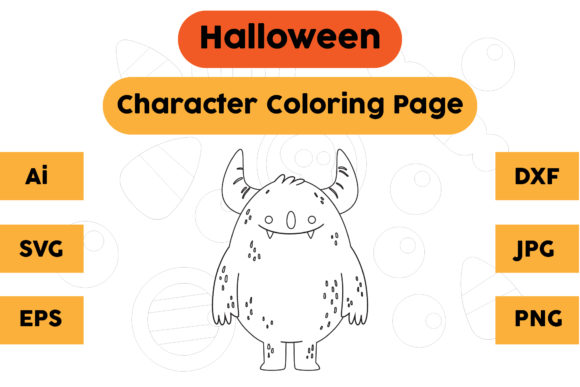
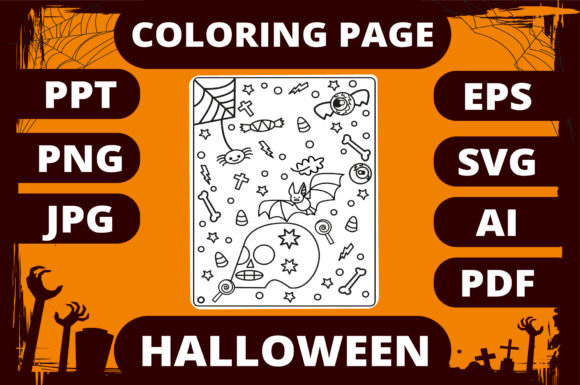
As a blog designer and digital publisher, my first step with any graphic design asset is to assess its editorial mood. Halloween Coloring Page for Kids 18 immediately strikes a playful, seasonal, and family-friendly tone. The cute and adorable illustrations suggest a content niche focused on parenting, kids' activities, seasonal crafts, or educational resources. It feels neither overly corporate nor starkly minimal; it’s decorative, artistic, and squarely aimed at creating a joyful, engaging reader experience.
The Visual Communication & Editorial Quality of This Halloween Graphic
When considering reader perception, this design asset communicates warmth and accessibility. Its style supports content that needs to look polished yet approachable, building trust with an audience looking for family-friendly ideas or printable resources. The 8.5 x 11 inch format is a classic for printables, signaling its readiness for real-world use. For publishers, this means the asset isn’t just a random image; it’s a structured template for creating something tangible—a coloring activity book page, a downloadable worksheet, or a digital guide component.
Real Publishing Workflows: Where This Asset Elevates Your Content
Integrating Halloween Coloring Page for Kids 18 into a real publishing workflow opens numerous creative avenues. For a blogger preparing October content, this graphic can be adapted into a stunning featured image for a post about Halloween activities. Its clear, bold outlines make it perfect for Pinterest graphics, where visual clarity drives clicks. As an article header or website banner for a seasonal category page, it instantly establishes a festive, cohesive visual identity.
Beyond the blog post, consider this asset for newsletter graphics announcing a free printable, or as the core visual for a lead magnet like a “Halloween Fun Pack” digital guide. It can serve as a worksheet inside an eBook for parents, a cover image for a downloadable resource bundle, or a consistent visual element across a series of social media posts promoting your affiliate content on kids' products. Its simplicity also makes it an excellent base for custom Canva templates, allowing you to quickly generate branded pins, Instagram stories, or digital ad visuals.
Supporting Content Performance with Stronger Visuals
Using a professional graphic design asset like this directly impacts content performance. First, it creates a stronger first impression on a landing page or blog sidebar, signaling quality. It establishes a clearer visual hierarchy in your editorial layouts, guiding the reader’s eye. For affiliate marketers, a polished, clickable graphic can improve click-through potential on recommended products or resources.
Most importantly, it builds more consistent branding. Repeated use of a coherent seasonal style across your website, Pinterest pins, and newsletter graphics improves reader trust and fosters better category recognition. When your audience sees this playful Halloween style, they immediately know the content is for them. This leads to a stronger visual identity and, ultimately, more professional-looking content pages that stand out in a crowded digital space.
Optimal Use Cases for Maximum Impact
This Halloween coloring page graphic works best in specific, high-visibility roles:
- Hero images for seasonal blog category pages.
- Article thumbnails in related post widgets or archives.
- Pinterest pins designed for high click-through rates.
- Blog graphics breaking up long-form text about Halloween crafts.
- Editorial accents within digital guides or downloadable PDFs.
- Content upgrades and lead magnets offered in exchange for email signups.
- Downloadable resources themselves, as the primary printable.
- Category visuals in a media kit for seasonal collaborations.
- Newsletter headers for October campaign emails.
- Social media previews linking back to your blog content.
Publisher Considerations & Areas for Careful Use
While versatile, some contexts require careful application. In very small mobile thumbnails, the intricate details might become lost, reducing clarity. Avoid placing it as a background for text-heavy blog images, as the busy lines could compromise readability. Its playful nature may clash with serious professional niches or stark corporate content websites that demand a minimal visual system.
Always test this asset on low-contrast backgrounds or within already busy layouts to ensure it doesn’t create visual chaos. The key is to let it shine in spaces where it is the focal point, supporting your message without competing with it.
Practical Notes from the Publisher’s Desk
Before rolling this design asset into your live content, run these practical checks:
- Test it on desktop and mobile screens to ensure scalability.
- Check how it looks as a tiny thumbnail in your blog’s sidebar or recent posts list.
- Preview it inside a real blog layout, alongside your headline text and body copy.
- Test contrast and readability by placing text over or near it.
- Try viewing it in black and white to understand its fundamental shapes if color is altered.
- Place it beside various font styles—serif, sans serif, script, handwritten, display—to see which pairing feels most cohesive for your brand.
- Review the file size from the ZIP file for web performance; compress images properly before uploading to your site.
- Crucially, confirm the commercial licensing terms before using it on monetized websites, affiliate pages, or within paid content products like digital guides.
Halloween is just around the corner, and for publishers looking to create engaging seasonal content, a design asset like Halloween Coloring Page for Kids 18 is a strategic starting point. It allows you to start creating your coloring activity book or themed resource today, providing a ready-made visual that elevates your entire content ecosystem—from blog graphics to social media presentation. By integrating it thoughtfully, you support not just a single post, but a cohesive, trustworthy, and visually compelling brand identity for your audience.