A Real-World Review: The Traveling Unicorns Embroidery Design
When a new embroidery file lands on my desktop, I don’t just look at it as a graphic. I see it as a potential finished product—stitched onto fabric, worn by a client, or sitting in a shop display. Today, I’m evaluating the Traveling Unicorns - Coloring Page 30 design from that exact practical viewpoint. My focus is on how this design translates from screen to stitch, and where it fits—or doesn’t—in a working designer’s project lineup.
First Impressions: A Whimsical Foundation
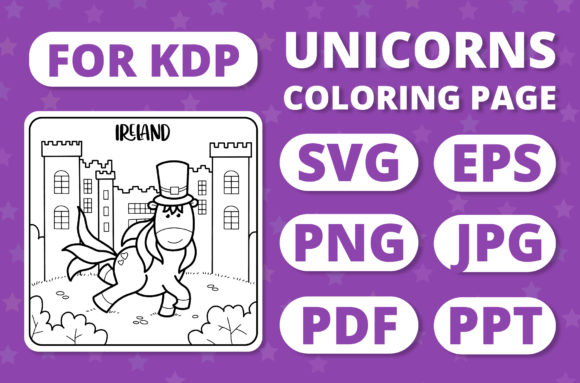
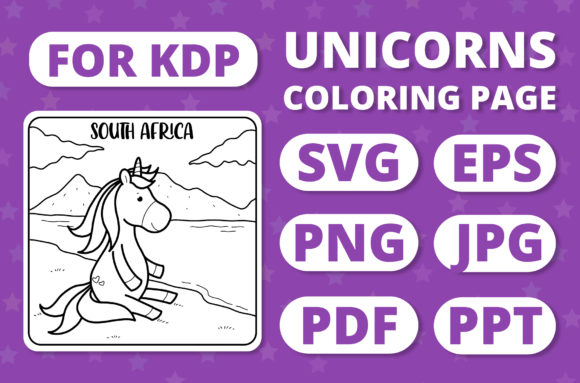
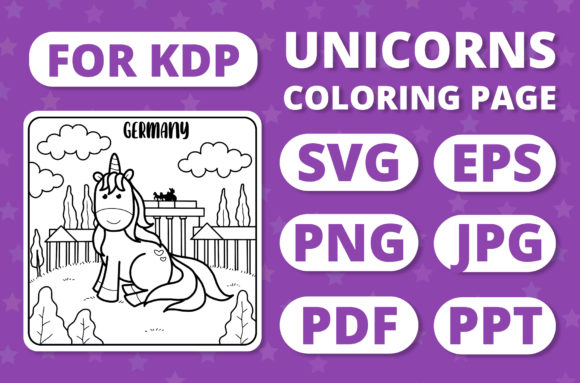
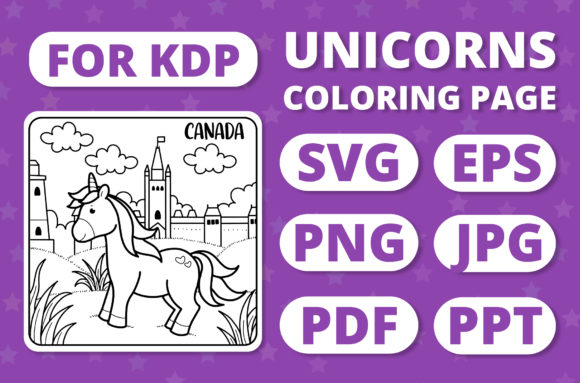
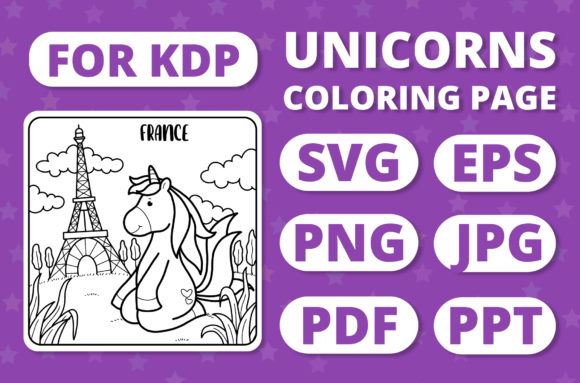
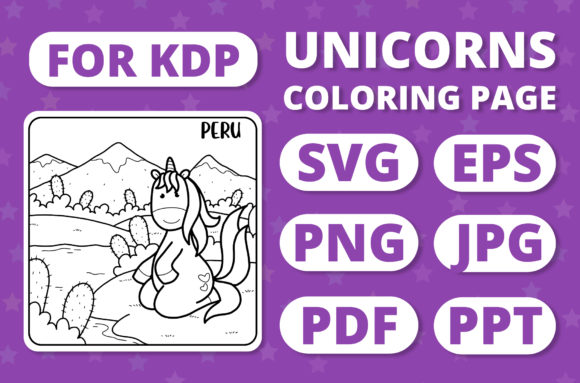
Opening the Traveling Unicorns file, the first thing I notice is its inherent whimsy. It’s a classic, clean-lined unicorn illustration with a sense of gentle movement. The design isn’t overly complex; it’s a single, well-defined subject with open spaces and clear contours. This is crucial for embroidery. A graphic with too many tiny, intersecting lines can become a muddled mess of stitches, but this one feels like it has breathing room. The mood is playful and nostalgic, leaning towards projects for children, gifts, or lighthearted personalization. It doesn’t scream “luxury” or “corporate”; it whispers “personalized gift” and “handmade charm.”
The Natural Habitat for This Unicorn
Let’s place this in a real scenario. Imagine a custom order for a child’s birthday: an embroidered tote bag for a young girl who loves unicorns. The Traveling Unicorns design immediately comes to mind. Its 8.5 x 8.5 Inch format suggests a substantial but not overwhelming size, perfect for a bag’s main panel or a sweatshirt’s front. The clean outline means it could be executed beautifully as a satin stitch border with a simple fill stitch for the body, creating a polished look without excessive stitch density that could stiffen the fabric.
This design naturally belongs to a family of projects: baby blankets and nursery decor, personalized pillow covers for a child’s room, cheerful kitchen towels for a boutique, or celebratory patches for backpacks. It’s a strong candidate for holiday gifts—think a Christmas stocking with a unicorn for a granddaughter—or small shop merchandise aimed at a family-oriented customer base. For an Etsy seller specializing in custom apparel for kids, this file is a ready-made asset.
Performance on Actual Products: A Stitch-by-Stitch Outlook
In practical embroidery situations, the success of a design hinges on its clarity post-stitching. The Traveling Unicorns design, with its defined shape, should translate well onto most common substrates. On a cotton tote bag or a mid-weight sweatshirt, the silhouette will hold its form. The lack of extreme detail in tiny areas like the unicorn’s horn or mane strands is actually a benefit here; it reduces the risk of thread buildup or unclear definition in small hoop sizes.
For dark fabric backgrounds, the contrast will be key. The design’s open areas mean you could use a lighter fill stitch or even an applique approach with a bright fabric underneath to make the unicorn pop. On baby clothes or delicate blankets, using a softer thread palette and ensuring proper stabilizer will keep the embroidery gentle and wearable. As an embroidered patch, it would be straightforward to produce and attach, offering great versatility for craft fair products or personalized gifts.
Where Caution is Needed
No design is universally perfect. The Traveling Unicorns design should be approached carefully on certain products. Very small-scale applications, like a tiny motif on a cap’s curved front, might require simplifying the design further, as some of the flowing lines could lose integrity when minimized. On highly textured fabrics like some sweaters or looped towels, the finer details might not render as crisply.
Stretchy fabrics demand extra attention to stabilizer to prevent distortion of the unicorn’s elegant shape. Also, for products destined for frequent washing, like kitchen towels or kids’ apparel, consider a robust stitch structure—perhaps a tighter fill stitch in the body—to ensure longevity. The design doesn’t have tiny lettering or micro-details, which is a relief, but always inspect the file yourself on your software to confirm the stitch paths for the mane and tail before committing to a final project.
Impact on Your Business and Craft
Using a design like Traveling Unicorns - Coloring Page 30 affects more than just the stitch quality. It influences your product’s entire appeal. A well-embroidered version of this design on a clean garment speaks to craftsmanship. It feels intentional and professional, boosting customer trust in your handmade presentation. For a creative entrepreneur, it can become part of a cohesive brand if you specialize in whimsical, family-friendly products.
Its giftability is high. A beautifully executed unicorn on a pillow or apron feels personal and thoughtful. In a digital product seller’s lineup, this file, given its included formats like SVG and EPS, can be a valuable component for printable mockups or bundled design assets for other crafters. The key is to ensure your finished embroidery reflects the clarity of the source file, maximizing buyer engagement and satisfaction.
Essential Designer Notes Before You Hoop
Before you run this machine embroidery design for a client or your shop, do your homework. Always test it on scrap fabric first. Use the same material and weight as your final project. Check thread color contrast against your fabric—sometimes a digital preview doesn’t capture how a pale blue fill stitch will look on white cotton.
Review the implied stitch density by examining the file areas. Confirm your intended hoop size can accommodate the design comfortably without crowding. I strongly advise testing the design in both black and white digital mockups to visualize it on light and dark backgrounds. Never skip proper stabilizer for your specific fabric type.
Finally, and this is critical for commercial embroidery and craft business use: confirm the licensing terms of this Graphics product. The description mentions its use for KDP activity books, but for selling physical embroidered items like tote bags or patches, you must verify that commercial use of the finished product is permitted. Don’t assume; check the license explicitly.
A Traveling Unicorn Ready for Your Journey
The Traveling Unicorns - Coloring Page 30 design is a solid, charming foundation for a range of embroidery projects. Its strength lies in its straightforward, mood-evoking illustration that translates well into stitch form. It’s best suited for lighthearted, personalized products and gifts, where its whimsical personality will shine. Approach it with practical preparation—test, adjust, and verify licensing—and this unicorn can travel seamlessly from your hoop to your customer’s hands, adding value and a touch of handmade magic to your creative work.