Tiki Polynesian Mask Coloring Book: A Publisher's Graphic Asset Review
First Impression: A Bold, Artistic Foundation for Creative Content
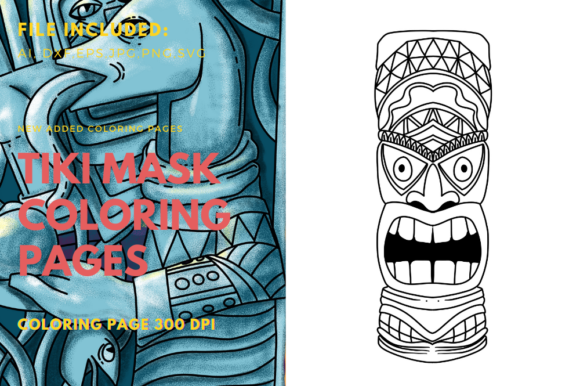
Opening the Tiki Polynesian Mask Coloring Book graphics set, my immediate impression as a blog designer is one of strong, decorative artistry. This collection of coloring page elements feels inherently playful and artistic, carrying a distinct, bold visual identity that leans toward lifestyle, travel, cultural education, and creative hobby niches. The stylized, intricate mask designs aren’t overly juvenile; they carry a weight that can support content aimed at adults interested in art, design, or Polynesian culture, while remaining accessible for family-friendly projects. This asset creates an editorial mood that is adventurous, handmade, and visually engaging—perfect for content that needs to stand out with a crafted, organic feel rather than a corporate one.
Where This Graphic Design Asset Shines in a Publishing Workflow
In my daily work, preparing featured images, Pinterest pins, and newsletter graphics, I look for assets that serve multiple purposes. The Tiki Polynesian Mask Coloring Book excels here. The individual mask elements are perfect building blocks. I envision using them directly for blog featured images for posts about DIY crafts, cultural guides, or artistic tutorials. Their strong outlines and clear shapes make them ideal for Pinterest graphics, where visual clarity drives clicks. They can become central art for digital guide covers or lead magnet worksheets on topics like "Learn Basic Polynesian Design Motifs."
Furthermore, these graphics naturally support downloadable printables—the core offering is coloring pages, but they can be repurposed as decorative borders for media kits, artistic accents in editorial layouts, or themed backgrounds for newsletter headers. For an affiliate blog reviewing crafts or cultural resources, these visuals immediately signal the content’s niche, aiding category recognition.
Boosting Content Performance with Stronger Visual Communication
Using polished, coherent design assets directly impacts how readers perceive and engage with your content. Integrating the Tiki Polynesian Mask Coloring Book into your visual hierarchy can lead to a stronger first impression. A website banner or article header featuring one of these bold masks creates a focal point, drawing the eye. This improves click-through potential on social previews and article thumbnails. For a publisher, consistent use of such a distinctive style across blog graphics, social media posts, and digital products builds a more cohesive visual identity, which in turn fosters reader trust and professionalism.
Practical Applications: From Canva Templates to Website Headers
Let’s walk through a real case. I’m preparing a content series on "Artistic Traditions of the Pacific." I need a hero image for the landing page, thumbnail graphics for each article, and a banner for the accompanying email sequence. I can select a prominent mask from this set as the website header, setting the thematic tone. For individual article graphics, I might use different masks as decorative backgrounds behind clean text, creating category visuals that are instantly recognizable.
For content marketing, I could create a simple Canva template using these elements to design a series of social media graphics announcing the series. The masks could also form the cover art for a digital download companion—a printable coloring book offered as a content upgrade. This turns the graphic asset into a direct lead magnet, increasing subscriber engagement. For affiliate marketing content linking to art supplies or cultural books, these visuals make the affiliate content look integrated and thoughtfully designed, not merely promotional.
Publisher Notes: Testing and Implementation Best Practices
Before deploying any new design asset, I run practical tests. For the Tiki Polynesian Mask Coloring Book:
- Test on mobile: How does a detailed mask look as a small blog graphic thumbnail on a phone screen? Ensure key details remain visible.
- Preview in layout: Drop a mask into a draft blog post beside your typical headline fonts. Try it with a clean sans serif font for a modern mix, or a script font for a more artistic blend. Check contrast and readability.
- Consider file size: These are likely vector-based or high-resolution PNGs. Compress images properly for web performance to keep page speed fast.
- License confirmation: This is critical. Before using on monetized websites, paid digital products, or affiliate pages, confirm the commercial license allows for such use in commercial design.
- Versatility check: Try using a mask in black and white as an editorial accent in a text-heavy section. Does it add value without overwhelming the reading experience?
When to Use with Care: Context Matters
While versatile, this asset has a specific character. Use it carefully in contexts where its bold, decorative nature might clash. Avoid using it as a background for text-heavy blog images where low contrast could make reading difficult. It may not suit very serious professional niches like corporate finance or legal blogs, or websites that require a very minimal visual system. In busy layouts, a detailed mask could add visual clutter rather than hierarchy.
Its best uses are clear: hero images, Pinterest pins, downloadable resources, newsletter headers, and social media previews where the graphic is the star. For small mobile thumbnails, consider using a simplified, cropped portion of a design to maintain clarity.
The Final Verdict for Content Creators
From my perspective as a digital publisher, the Tiki Polynesian Mask Coloring Book is a valuable graphic design asset for creators in artistic, cultural, lifestyle, and educational spaces. It provides a ready-made creative design foundation that can elevate the look of blog posts, digital guides, and promotional materials. By offering a cohesive set of elements ideal for scrapbooking, party invitations, photo albums, stickers, and room decoration—as described in its inspiration—it inherently supports the kind of printable design and digital product creation that many bloggers and creative entrepreneurs undertake.
Integrating such assets thoughtfully into your web design and editorial design workflow is a smart investment in your content’s professionalism and clickability. It streamlines the creation of blog graphics that feel polished and intentional, helping your website or affiliate blog communicate its niche visually and build a stronger, more trustworthy brand identity with its audience.